
e-newsletter companion of Eastern Oklahoma Catholic magazine
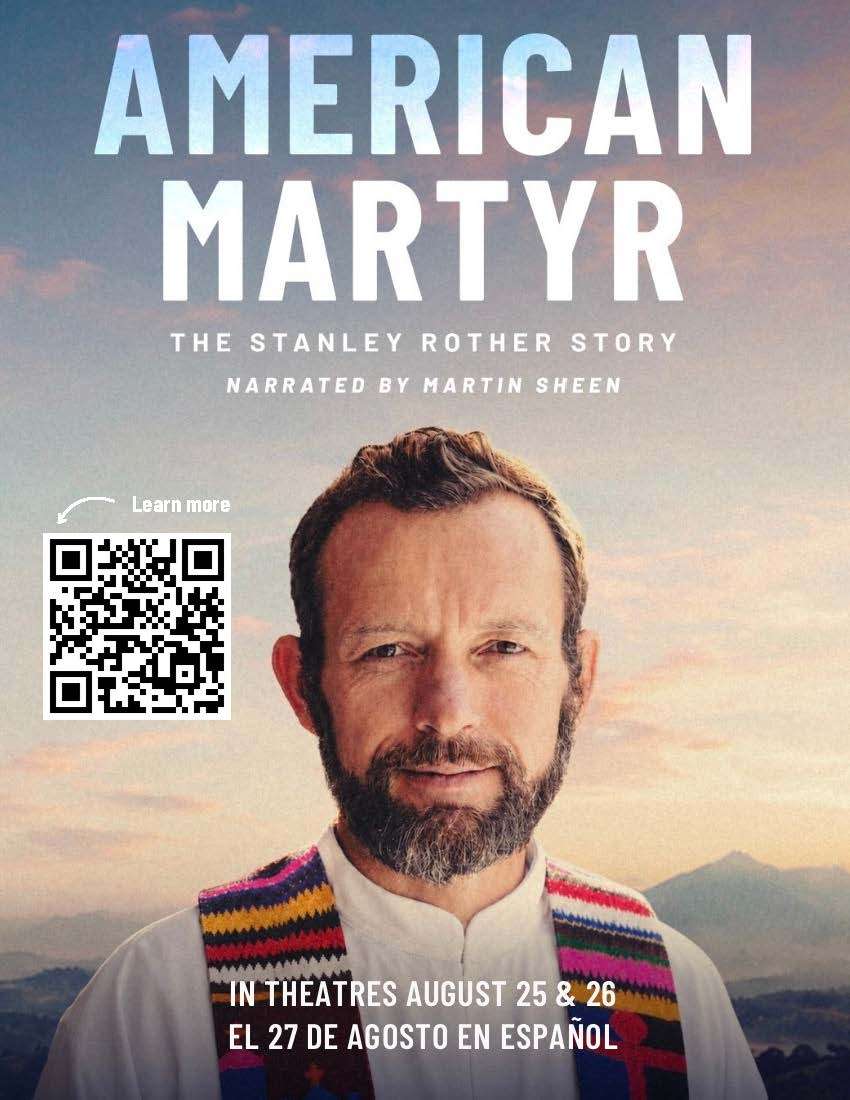
Blessed Stanley Rother Movie Coming to Theaters in August
OKLAHOMA CITY — American Martyr: The Stanley Rother Story is coming to movie theaters on August 25-26, (English) and August 27, (En Español).
Based on the true story of an American priest from Okarche, Okla., the feature-length documentary follows the life, death, and impact of Blessed Stanley Rother who served the indigenous Tzu'tujil people of Santiago Atitlán, in the highlands of Guatemala.
"His witness of courage, fidelity and sacrificial love is as relevant today as ever," said Archbishop Paul Coakley of Oklahoma City. "American Martyr: The Stanley Rother Story offers audiences an opportunity to encounter the inspiring true story of a remarkable priest whose faith led him to the ultimate act of discipleship.”
As violence escalated during Guatemala's civil war and his name appeared on a death list, Father Rother was urged to leave. Instead, he chose to return to his parishioners, guided by his conviction that "the shepherd cannot run." His decision ultimately led to his murder in 1981 and, decades later, recognition as the first American-born priest officially declared a martyr by the Catholic Church.
“Blessed Stanley Rother was an ordinary man who responded to God's call with extraordinary courage, ultimately laying down his life for the people he served in Guatemala,” said María Ruiz Scaperlanda, the promoter of Blessed Stanley Rother’s Cause for Canonization. “Through American Martyr: The Stanley Rother Story, audiences will encounter not only a compelling true story, but also a powerful example of holiness, sacrifice and missionary discipleship. My hope is that this film will inspire countless people to discover Blessed Stanley's life, seek his intercession and recognize that sainthood is possible for ordinary men and women who faithfully follow Christ wherever He leads.”
Through firsthand testimonies, historical footage and immersive storytelling, the film brings to life the courage, faith and enduring legacy of a humble American priest whose witness continues to inspire people around the world. In 2017, Pope Francis formally recognized Father Rother's martyrdom and beatified him, further cementing his place in Catholic history.
The feature-length documentary, narrated by Golden Globe and Emmy Award winning actor Martin Sheen, will debut in theatres nationwide for a special two-night release on August 26-27. The Archdiocese of Oklahoma City partnered with Oklahoma City-based film studio Lampstand Story Company to tell the story of Blessed Stanley Rother.
Tickets will be available online beginning Tuesday, July 28, the Feast Day of Stanley Rother, and at participating theater box offices. For more information, please visit FathomEntertainment.com. Parish group ticket sales are available at https://tinyurl.com/rothergroupsales. To learn more about the film, visit www.BlessedRotherFilm.com.
TRANSITIONS:
Retired Priest Rev. James Ferry Dead at 73; Funeral Tuesday
CLAREMORE —Reverend James Ferry, 73, retired priest, died on Friday, July 24, in Tulsa following an extended period of ill health.
Born in Fall River, Mass., on Feb. 20, 1953, Rev. Ferry was ordained to the priesthood on June 16, 1984 at Saint Mary’s Cathedral in Fall River, Mass. He served for decades as parochial vicar, pastor, or administrator at several parishes within the Diocese of Fall River.
Due to several years of declining health, Father Ferry was forced to retire on July 1, 2014. Following his retirement, he moved to Inola, Okla. and assisted at the parishes of Saint Cecilia in Claremore and Saint Ann’s in Welch.
Local funeral arrangements are scheduled for Tuesday, July 28, at St. Cecilia Catholic Church in Claremore: 3 p.m. - Reception of the Body; 6 p.m. - Rosary; 7 p.m. - Funeral Mass celebrated by Bishop David Konderla.
Father Ferry’s body will be transferred to Espirito Santo Church, in Fall River, Mass. on Tuesday, August 4.
To read the complete obituary, click here.
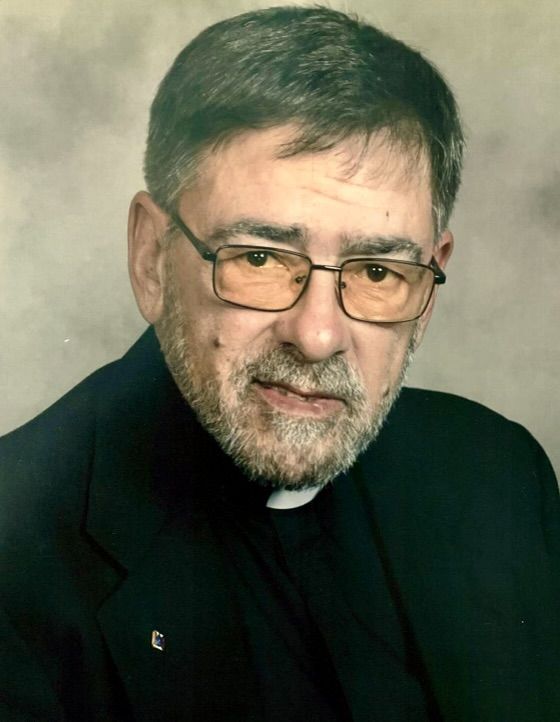
Rev. James Ferry
Deacon Andy Thomas Accepts New Post with Diocese of Dallas
BROKEN ARROW — Deacon Andy Thomas, who has served as Southern Vicariate Generalist with the Diocese of Tulsa and Eastern Oklahoma the past year, has taken a new job with the Diocese of Dallas.
He will remain an active deacon in the Diocese of Tulsa. He serves as St. William in Durant and St. Patrick in Atoka.
"We are thankful for the good work Deacon Andy has accomplished working with our parishes in the Southern Vicariate," said Vicar General Father Gary Kastl in making the announcement.
His last day with the Diocese's Parish Support Team, where he served as Coach: Sacramental Specialist, will be August 5.
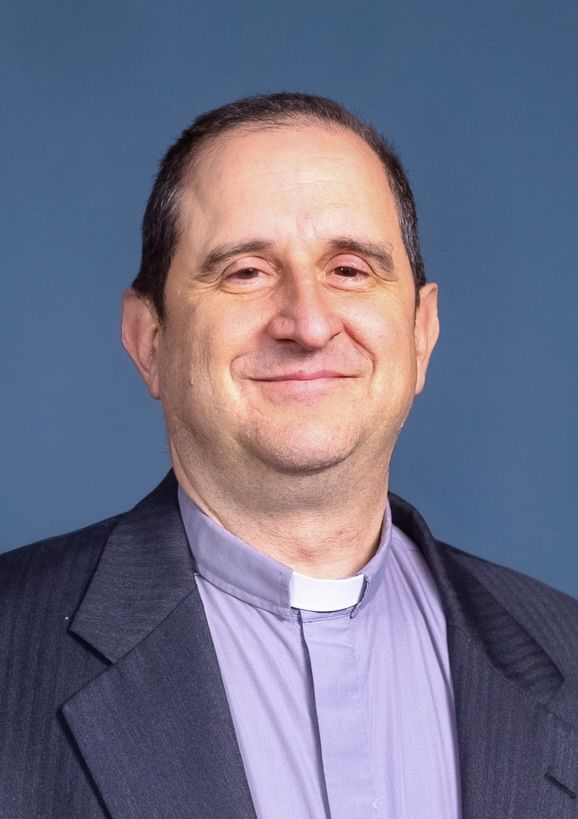
Deacon Andy Thomas
New Headmaster Featured in Knights of Columbus Magazine
TULSA — Newly appointed Cascia Hall Headmaster, Fr. Jack Tierney O.S.A, Ph.D., is featured in the Knights of Columbus magazine Columbia. The brief article highlights Fr. Jack's journey to the Order of St. Augustine and why his Augustinian affiliation holds a special place in his heart. To read the article, click here.
Father Tierney became the 14th Headmaster of Cascia Hall Preparatory School on July 1 but has been associated with the school off and on since 1993.
Father Tierney attended the University of Minnesota, where he studied political science. He then studied at Catholic Theological Union in Chicago and pursued a master’s in public policy and administration at Northwestern University. He earned a Ph.D. in public policy at St. Louis University. He was ordained a priest on July 25, 2020.
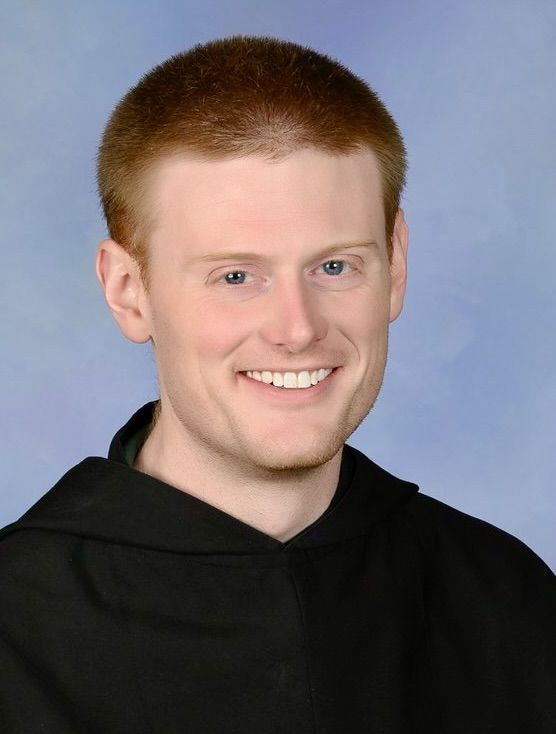
Fr. Jack Tierney O.S.A, Ph.D.
Friends of Clear Creek Abbey to Host 'The Idea of a Village Revisited'
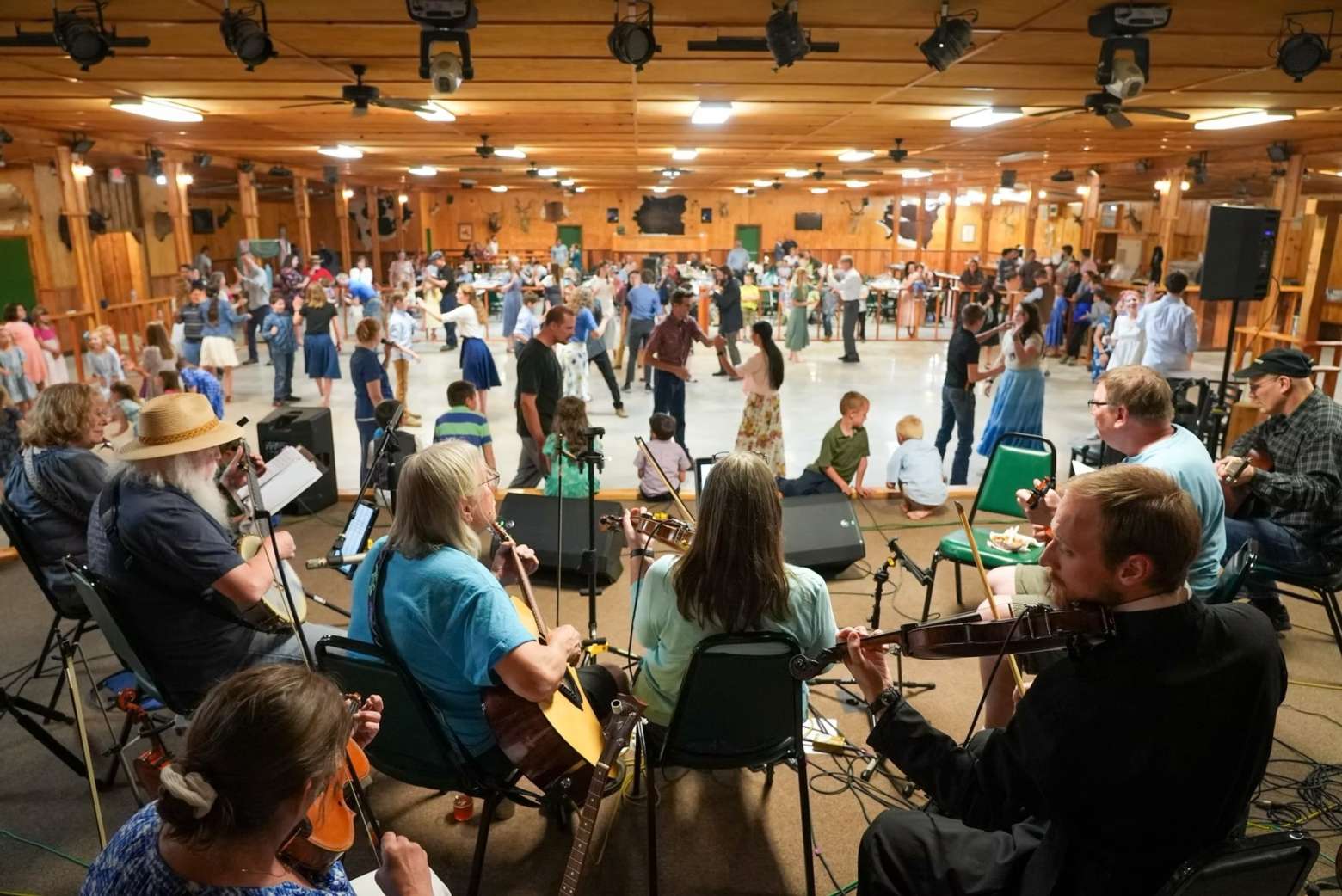
CLEAR CREEK ABBEY — More than 25 years ago, Benedictine monks came from France to northeast Oklahoma to establish a Catholic Abbey in the Diocese of Tulsa. Soon after, families began moving nearby to the beautifully wooded hills, seeking to order their lives around the prayer and witness of the monks. As friendships deepened and lives became increasingly intertwined, a village began to emerge, fostered by Divine Providence.
After a several-year hiatus, The Idea of a Village Revisited conference returns as a forum for villagers and guests to gather and discuss the foundations of Catholic community, engage in practical demonstrations and workshops, and enjoy conviviality and conversation.
"Over the years a significant number of families have come to dwell in the rural area surrounding our abbey," writes Father Abbot Philip Anderson of Our Lady of Clear Creek Abbey. "It is not yet a village in the truest sense, but a true village is surely taking shape. Many and varied are the reasons that brought these people to live near us, but one main reason was to be a part of what is sometimes referred to as the back to the land movement."
Abbot Anderson continues, "Of course the material flight back to a rural setting is primarily a spiritual quest for the restoration of Christian culture: not only for the purpose of saving one’s soul, but more immediately—of reclaiming one’s sanity in a world that increasingly resembles a cultural madhouse."
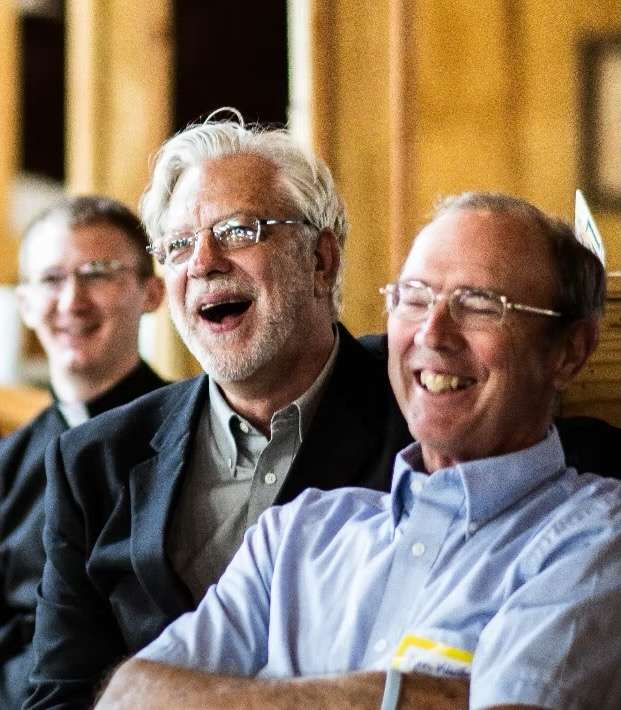
This year's conference will be held the weekend of Oct. 23-24. Featured speakers include Abbot Anderson, the founding abbot of Our Lady of Clear Creek Abbey; Andrew Pudewa, founder and director of the Institute for Excellence in Writing; Robert Keim, teacher, poet, an author of books and numerous essays, and a secular brother of the Oratory of St. Philip Neri in London; Michael Guidice, executive director of the contemporary Catholic Land Movement; and Mitchell Blackburn, educator and owner of a woodworking and log cabin building company.
For registration information, click here. For more details, you may also email info@theideaofavillage.com
Event Schedule
Friday, Oct. 23
• 5-5:30 p.m., Welcome/ Overview
• 5:30-6:30 p.m., Andrew Pudewa
• 6:30-7:30 p.m., Dinner (Options available for $15–$20, or bring your own)
• 7:30-9:30 p.m., Bonfire/Singing
Saturday, Oct. 24
• 6:50-7:45 a.m., Low Mass at Clear Creek Abbey
• 9-10 a.m., Mitchell Blackburn
• 11 a.m. - Noon, Michael Guidice
• Noon-1 p.m., Lunch (Options available for $15–$20, or bring your own)
• 1- 2 p.m., Father Abbot
• 2-3 p.m., Robert Keim
• 3-6 p.m., Breakout Sessions (up to 15-minute drive from conference location)
• 6-6:30 p.m., Vespers at Clear Creek Abbey
• 6:30-10 p.m., Dinner/Dance
Breakout Sessions:
• The Lifeblood of the Village: Downing Brewery — Gene and Tim Snyman
• A Homestead Built with Home-Sawn Lumber — Scott Yarnall
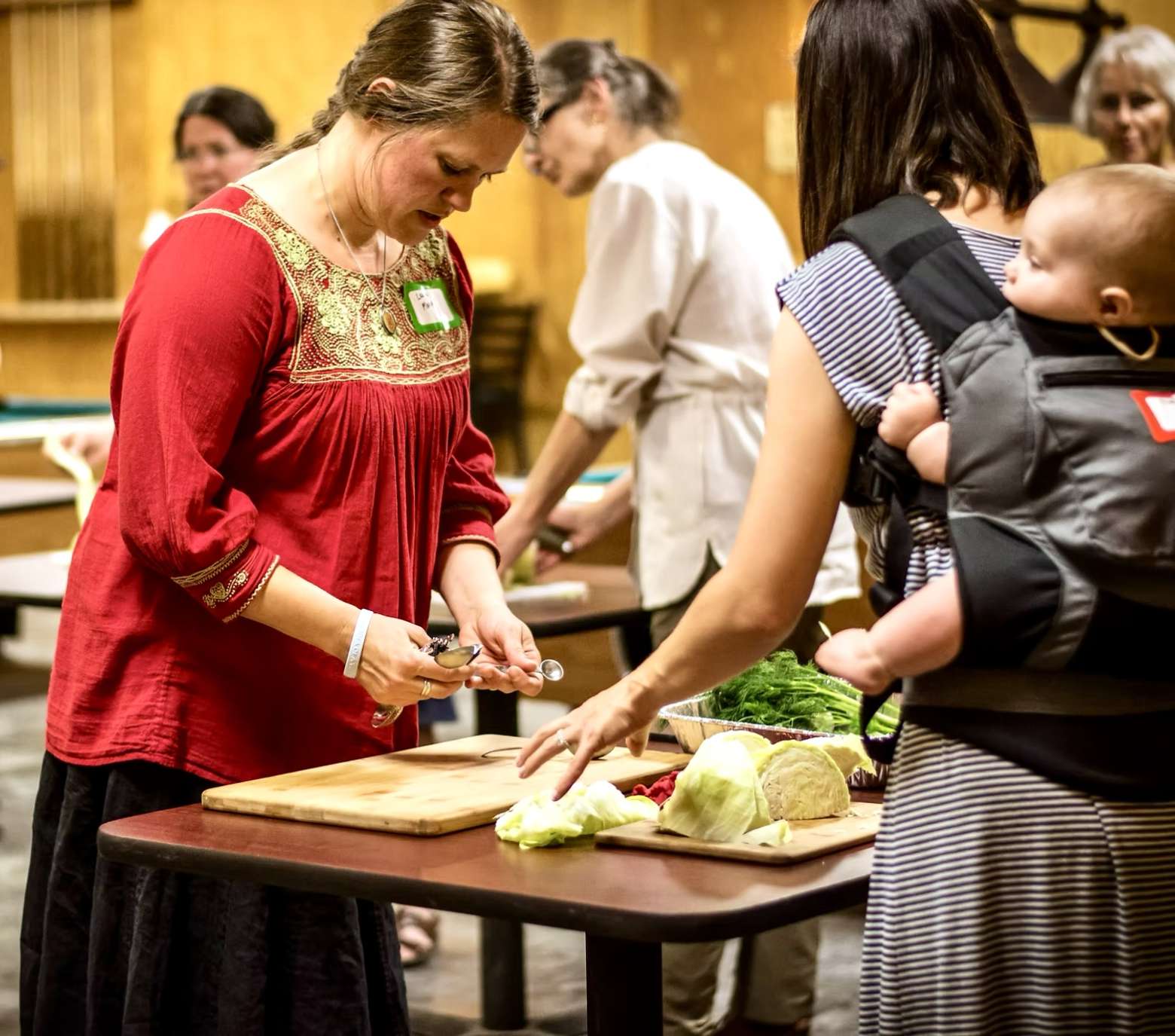
• Oak and Reed Fermented Foods Workshop — Laura Martin
• Taking the Catholic Land Movement Seriously — Jay Duffy
• The Art and Architecture of Clear Creek Abbey — George Carpenter
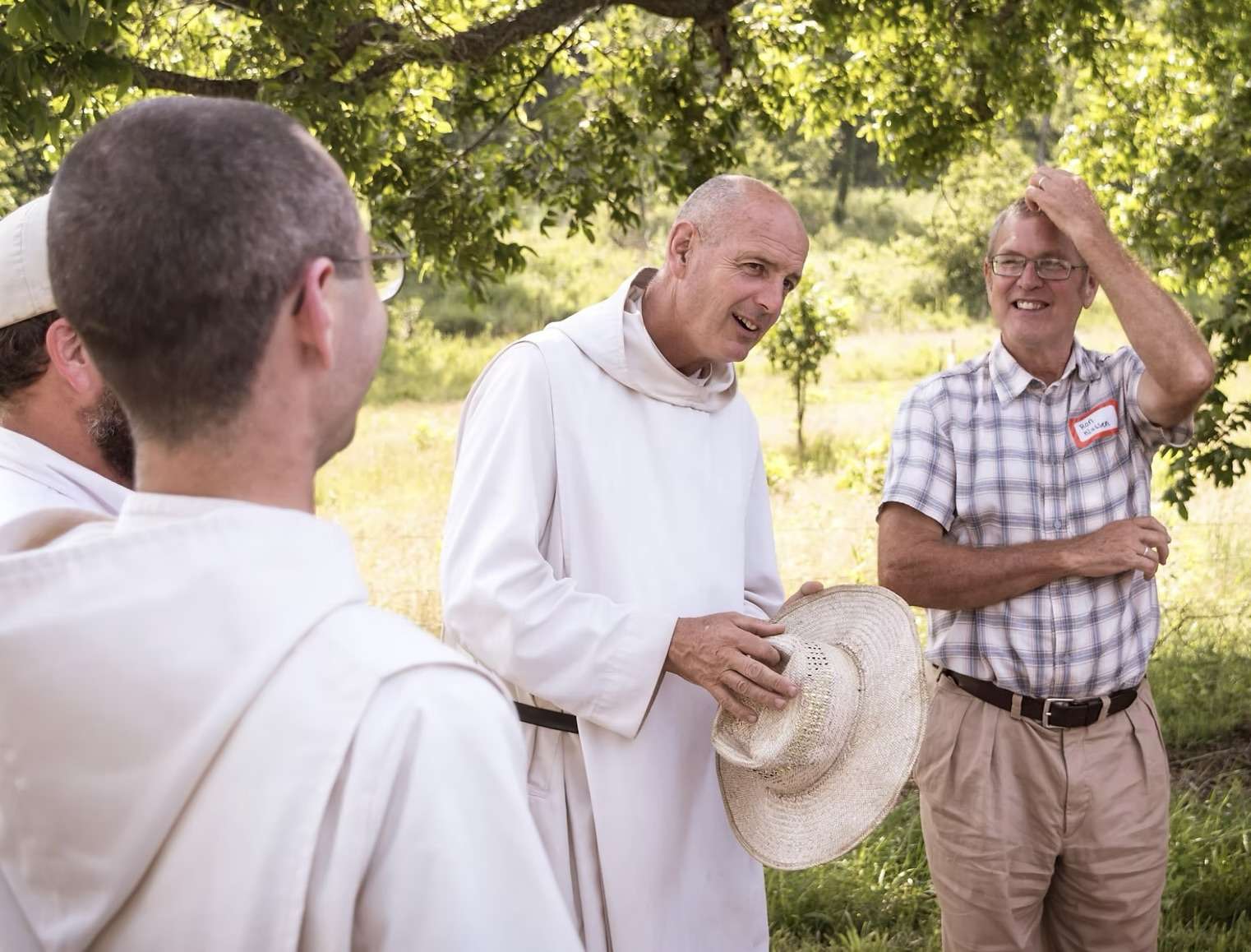
• Tour of the Abbey Farm — with an Abbey monk
New Educational Division at Monte Cassino for Students with Dyslexia
TULSA — Opening for the 2027–2028 school year, Monte Cassino School has announced St. Scholastica Academy, an educational division serving second and third grade students with diagnosed dyslexia and other language-based learning differences, with plans to expand through fifth grade.
The Academy is the first of its kind in Tulsa to combine scientifically grounded, evidence-based dyslexia instruction with the exceptional educational experience of an independent Catholic Benedictine school. Created in response to Tulsa’s need for specialized literacy instruction, students will receive 4.5 hours of structured language and literacy instruction each day in a small-group setting while remaining active participants in the life of the Monte Cassino community through fine arts, physical education, school traditions, extracurriculars, and other age-appropriate activities.
"St. Scholastica Academy honors Monte Cassino's Catholic Benedictine heritage while addressing an important educational need in our community," said Kevin Rice, Chair of the Monte Cassino School Board of Directors. "The Board is proud to support this meaningful expansion of our mission as we begin our second century."
The Academy's instructional model emphasizes individualized teaching, continuous progress monitoring, and immediate feedback, allowing educators to adjust instruction to meet each student's needs. With a 5:1 student-to-adult ratio and teachers trained in structured literacy and multi-sensory instruction, students receive the focused support needed to build strong reading foundations and lasting confidence.
“Students seeing, feeling, and knowing that they are readers is crucial," said Caitriona Harris, Head of St. Scholastica Academy. "As their literacy skills grow, so does their confidence. At the Academy, students with language challenges and dyslexia experience education that prioritizes their needs and success — and most importantly, belief in themselves.”
Research consistently shows that early intervention is one of the most effective ways to improve reading outcomes for students with dyslexia. By focusing initially on second and third grade, St. Scholastica Academy provides dedicated instruction during one of the most important stages of literacy development.
"St. Scholastica Academy expands our mission by providing students with dyslexia the instruction they need while ensuring they continue to experience the relationships, traditions, and sense of belonging that define a Monte Cassino education." said Chris Burke, Head of School.
Enrollment is open for the 2027-2028 school year. Interested families are invited to attend an informational session to learn more about the Academy's curriculum, instructional approach, and admissions process at an Information Session at 4 p.m., Thursday, July 30 in the Lower School Library. Reservations are required. RSVP at the link on Saint Scholastica Page on the school website at: www.montecassino.org/academics/saint-scholastica-academy.
Founded in 1926, Monte Cassino School is an independent Catholic Benedictine school serving students from Pre-K through eighth grade in Tulsa, Oklahoma.

Diocese of Wichita Releases Children's Book on Life of Venerable Emil Kapaun
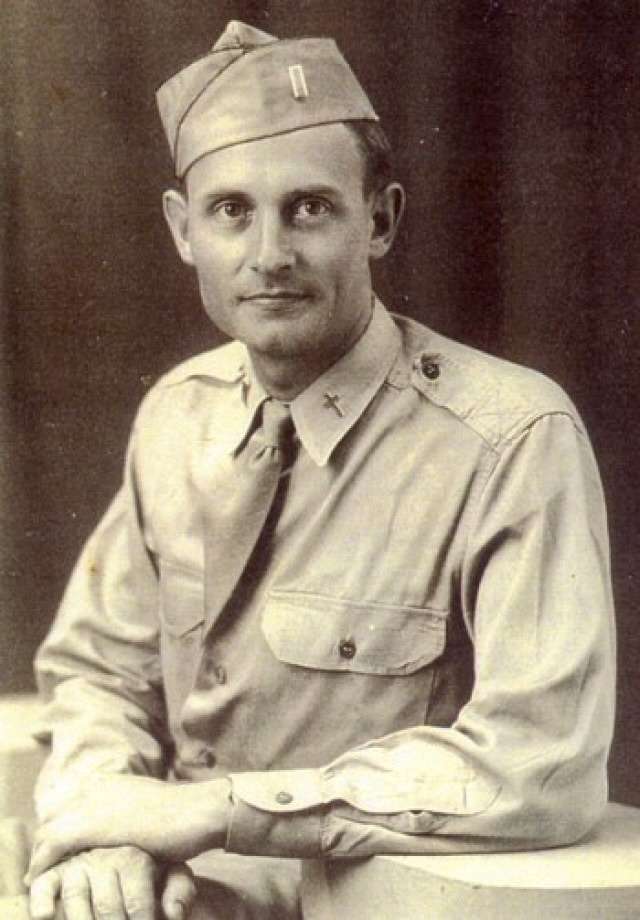
WICHITA, Kan. — The Catholic Diocese of Wichita recently released Father Emil Kapaun: Soldier of Christ, an illustrated children’s book that offers a brief overview of his life. Scott Carter, who coordinates the diocese’s Office for the Beatification of Ven. Emil Kapaun, authored the book which is beautifully illustrated by Kansas artist Sarah Oshakuade.
“It would have been easy to jump in and start in the thick of the action, but I wanted kids to connect with him,” Carter told the Catholic Advance, the official newspaper of the Diocese of Wichita, for a recent story. “Fr. Kapaun was an ordinary boy from Kansas. Those are the sorts of examples that connect us with the saints, and so the book opens with him growing up on the farm and discerning his call to the priesthood.”
Carter says that section of the story includes young Emil growing up on a farm near Pilsen, Kan., "riding a bike, sitting alone in church contemplating missionaries and martyrs, and – after his ordination – playing baseball with children."
“Fr. Emil would go to bat wearing his clerics – his priestly clothes,” the book describes. “Even when one team found itself down a few runs, Fr. Emil would switch sides and smack a big home run. He always wanted to make sure no one was left behind.”
The book goes on to show how that commitment to leave no one behind endured after Fr. Kapaun became an army chaplain and sacrificed his health and ultimately his life in service to fellow POWs during the Korean War. According to the official website dedicated to his Cause, Father Kapaun’s heroism in the prison camp wasn’t an isolated event. "His lifelong dedication to Christ and to His Church placed him on the path of priestly service that culminated in his ultimate sacrifice in North Korea at only 35 years old."
The Diocese of Wichita recently marked the 75th anniversary of Father Kapaun's death on May 23, 1951. In 2025, the Dicastery for the Causes for Saints in Rome issued a decree naming Father Emil Kapaun Venerable and advancing his cause for sainthood to the next step. In 2013, Father Kapaun was posthumously awarded the Medal of Honor, the nation's highest military honor.
The full story from the Catholic Advance about the book and how it came to fruition will be published in a future edition of Eastern Oklahoma Catholic magazine. Copies of Father Kapaun: Soldier of Christ can be obtained by clicking here.
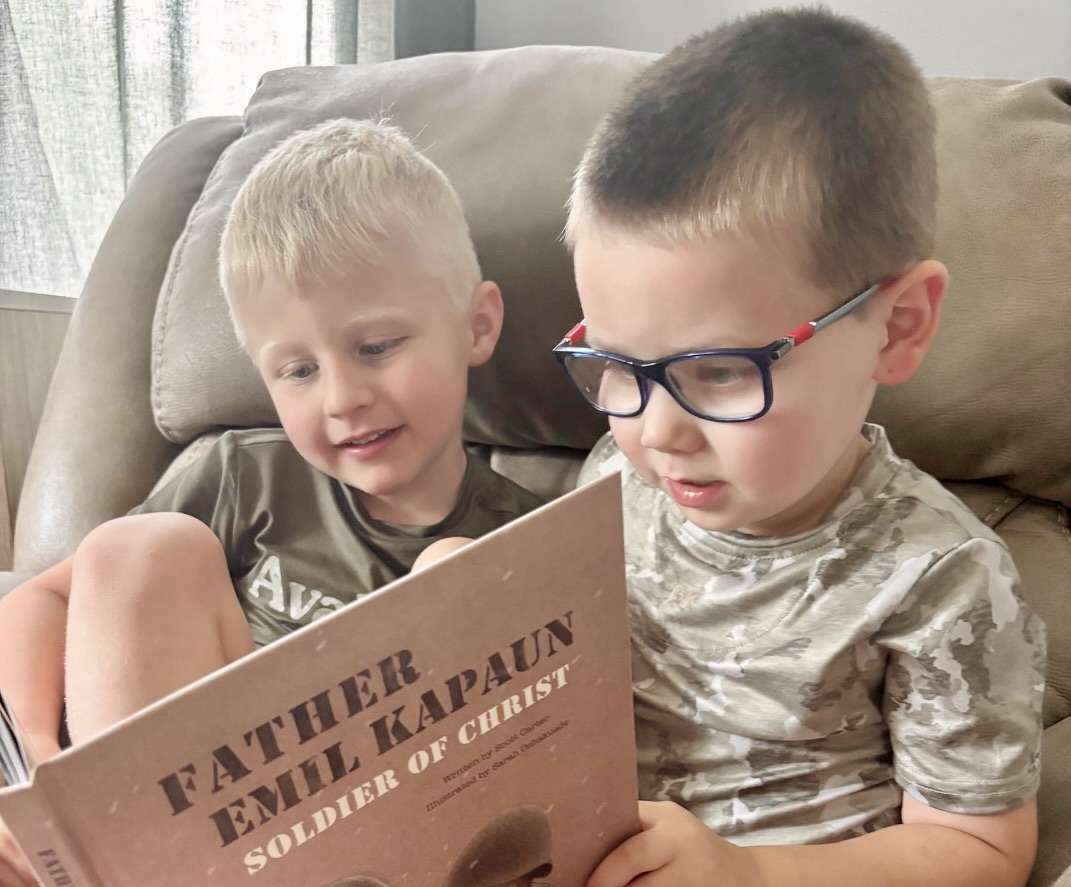
Photo courtesy of Catholic Advance/Diocese of Wichita
Cousins Caden and Lewis examine the new illustrated book about Venerable Emil Kapaun. The children's book, Father Emil Kapaun: Soldier of Christ, which was written by Scott Carter and illustrated by Sarah Oshakuade, was released by the Diocese of Wichita in late June.
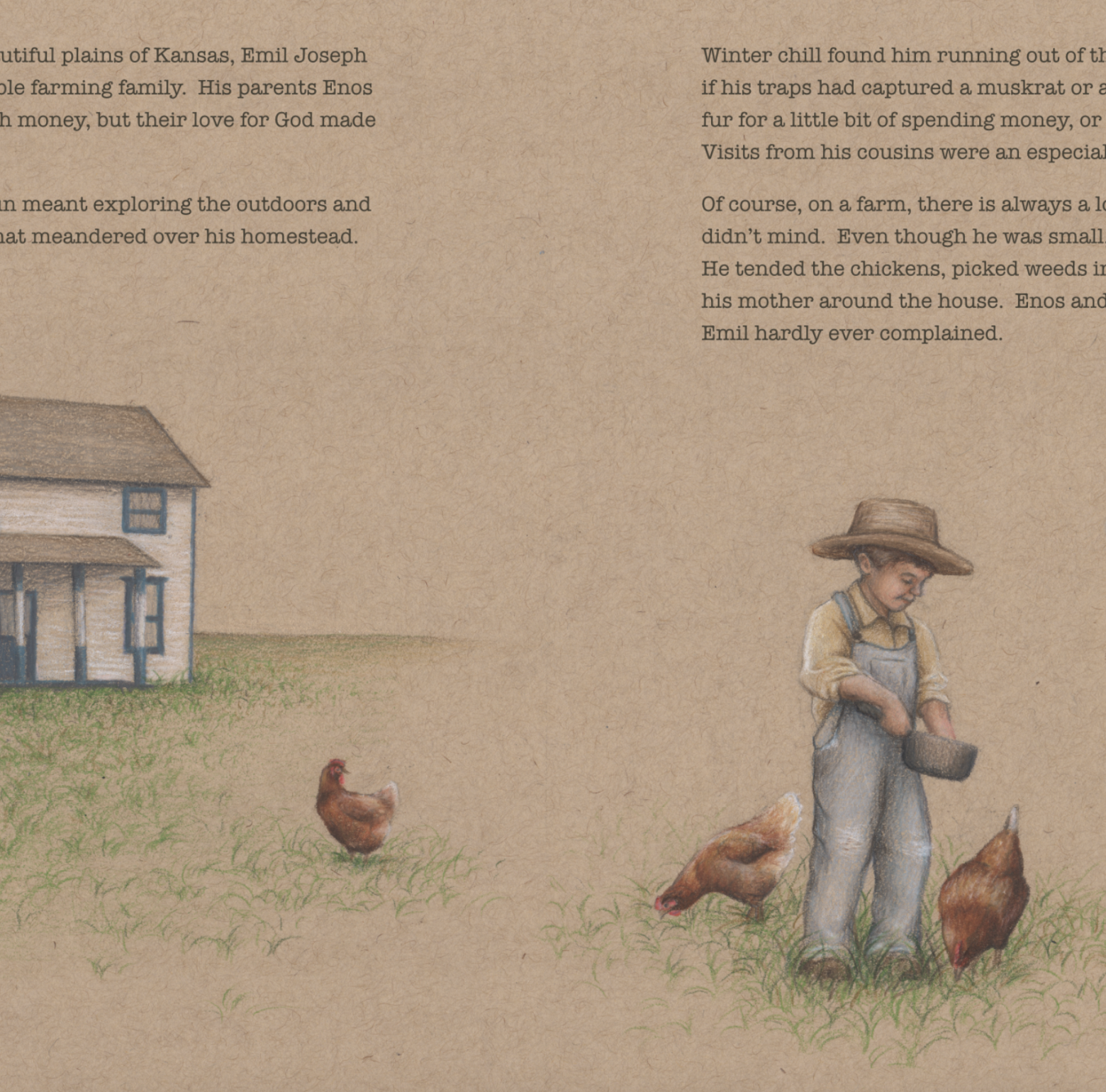
RIGHT: An illustration example from the book, Father Emil Kapaun: Soldier of Christ, by artist Sarah Oshakuade is shown.
The Late Father James White: Priest, Historian, Archivist, Herald, Author
(Editor's Note: In last week's issue of EOCextra, Father James D. White was misidentified as Father "Frank" White. Mea culpa. Given the recent anniversary of his passing on July 17, 2022, and to honor his lasting legacy as a preeminent historian of the Catholic Church in Oklahoma, it seems appropriate to re-introduce Father White to today's readers with a synopsis of his biography below, much of it sourced directly from his obituary. Readers will see Fr. White's historical work cited and/or quoted frequently in our stories.)
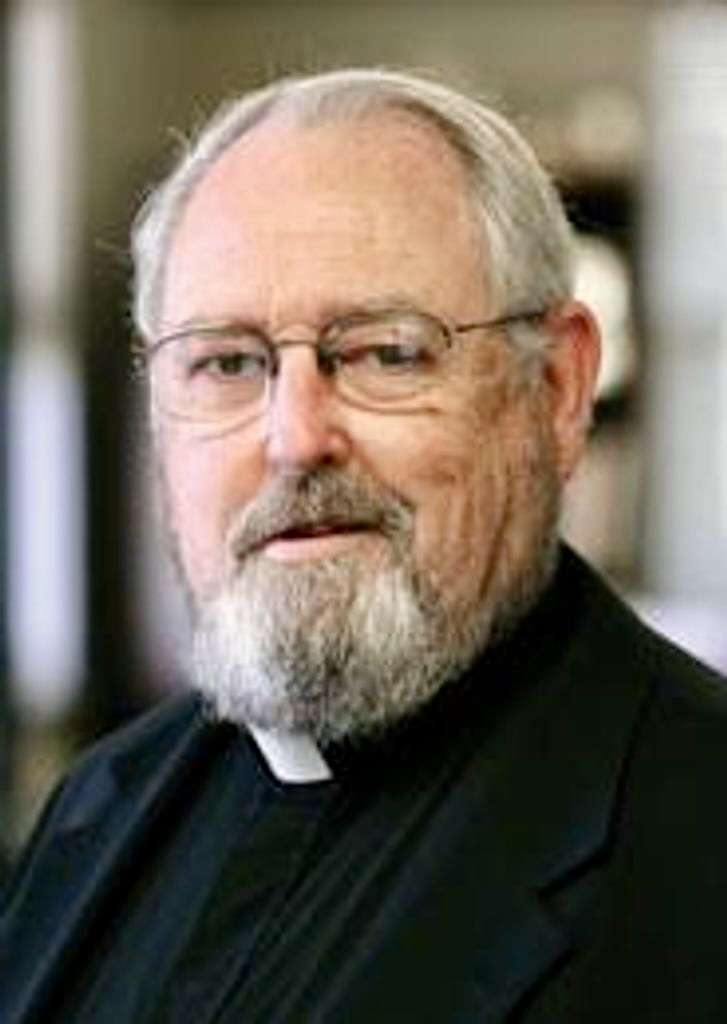
Father James D. White
Born in Chicago, Illinois, on April 15, 1939, James White and his family were received into the Catholic Church on Christmas Eve in 1949.
As a young man he worked briefly in a Chicago bank, taught in an elementary school, and was employed for two years by the Catholic Church Extension Society, a missionary funding agency with headquarters in Chicago. As part of his duties, he developed for publication (several million copies annually) an appointment calendar which used contemporary photographs to illustrate passages from Scripture. He continued as editor of this project for several years, even after his priestly ordination and relocation to Oklahoma.
His ordination to the priesthood took place at St. Joseph's Church in Norman, Okla. on Feb. 21, 1969, at the hands of Bishop Victor J. Reed, of the Diocese of Oklahoma City and Tulsa.
Father White had a long interest in heraldry, and when an officer of the Extension Society was named bishop, he had the opportunity to design a coat of arms for him. This interest, never more than an extended hobby, ultimately resulted in more than 40 heraldic projects commissioned by bishops, abbots, dioceses and parishes. In this capacity he had the honor to design the coat of arms of the Diocese of Tulsa and Eastern Oklahoma (see article in the July 20, EOCextra).
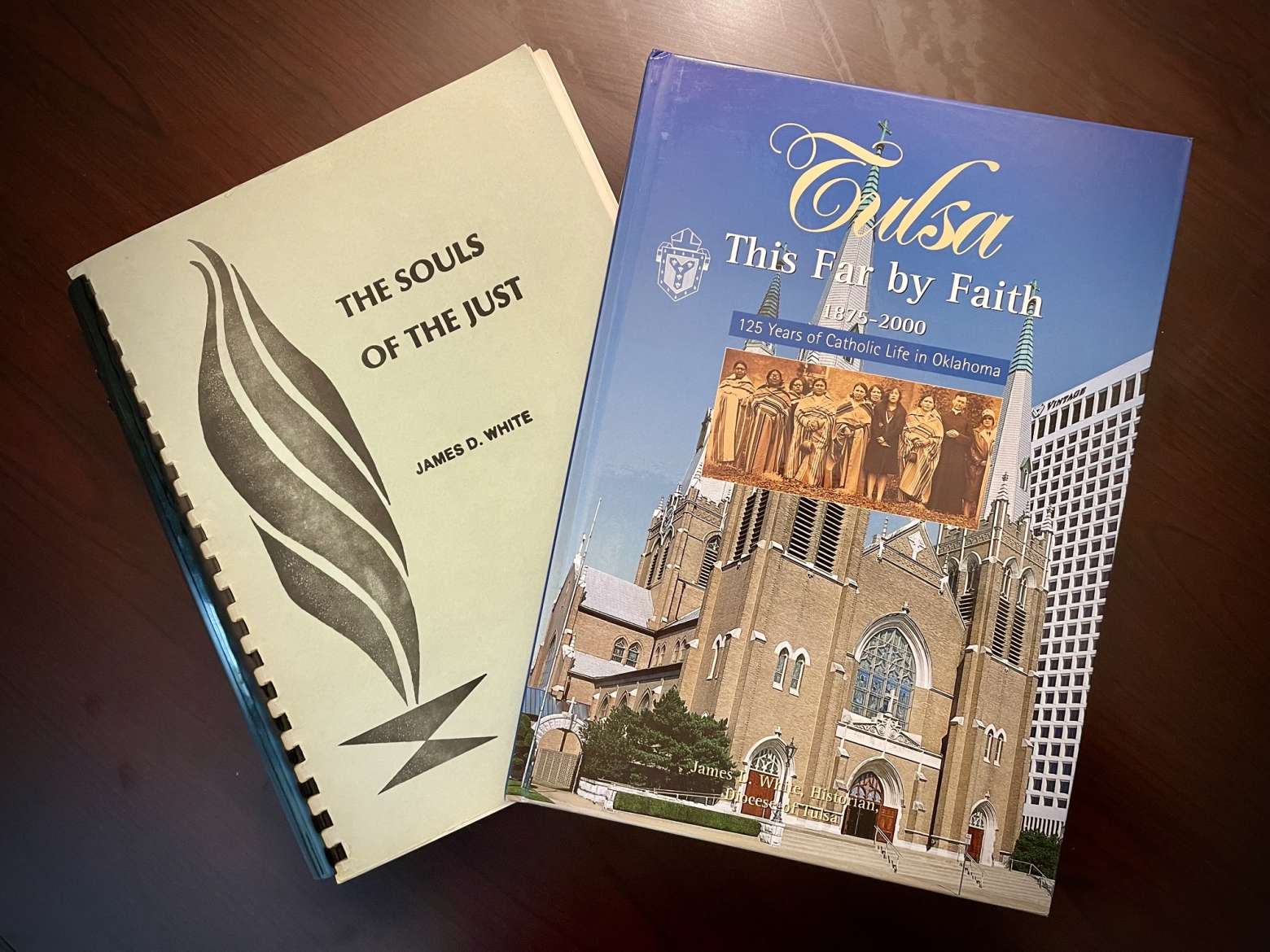
His first assignment as a priest was as associate pastor of Holy Family Cathedral in Tulsa (1969-72). As a new resident of the state, he became fascinated with Oklahoma history, especially the history of the Catholic Church in Oklahoma. He was encouraged in this by Bishop Reed, and he began the research that would eventually result in a dozen books and numerous articles and monographs. This interest was formalized in 1980, when he was named historian of the Diocese of Tulsa and Eastern Oklahoma.
In 1972 he received his first pastorate at Immaculate Conception Parish at Poteau.
On February 7, 1973, the Diocese of Tulsa was established as a separate and independent jurisdiction from that of Oklahoma City. Among the first actions of the new bishop, Bernard Ganter, was to create an office for the permanent diaconate, whose restoration in the Catholic Church had been authorized by the Second Vatican Council (1962-65). Fr. White volunteered to work on this project, and Bishop Ganter appointed him as the first director. Fr. White continued as director until 1982, and again from 1984 to 1988.
In 1978 a new parish was established south of 81st Street in Tulsa, and Fr. White was appointed as its founding pastor. Named for St. Bernard of Clairvaux (1090-1153), the new congregation moved its meeting place several times before settling on the property of the former St. John Vianney School for Girls in south Tulsa.
Reassigned in 1991, Fr. White spent a year editing the diaries of Most Rev. Theophile Meerschaert, the first bishop of Oklahoma (1891-1924), which he published in 1994. He also continued research for a study of the Church's relationship with the Osage Nation, published in 1997. In 1992 and 1993 he served as pastor of Sacred Heart Parish in Fairfax, on the former Osage reservation. He also served as master of ceremonies to Bishop Edward Slattery from 1994 to 1999. In 1998 he was given charge of Sacred Heart Parish in Skiatook.
At the age of 65, in 2004, Father White retired from the pastorate and was appointed archivist of the Diocese of Tulsa. This required that he design an archive building on the chancery campus and set up a computer-based infrastructure to aid in filing and locating documents.
After spending a few initial retirement years in California, he returned to Tulsa in 2018. In February of 2022, Father White celebrated his 50th anniversary of ordination to the priesthood. He died peacefully on Sunday, July 17, 2022, at the age of 83, and is buried in the priests' section of Calvary Cemetery in Tulsa.
As a young man he worked briefly in a Chicago bank, taught in an elementary school, and was employed for two years by the Catholic Church Extension Society, a missionary funding agency with headquarters in Chicago. As part of his duties, he developed for publication (several million copies annually) an appointment calendar which used contemporary photographs to illustrate passages from Scripture. He continued as editor of this project for several years, even after his priestly ordination and relocation to Oklahoma.
His ordination to the priesthood took place at St. Joseph's Church in Norman, Okla. on Feb. 21, 1969, at the hands of Bishop Victor J. Reed, of the Diocese of Oklahoma City and Tulsa.
Father White had a long interest in heraldry, and when an officer of the Extension Society was named bishop, he had the opportunity to design a coat of arms for him. This interest, never more than an extended hobby, ultimately resulted in more than 40 heraldic projects commissioned by bishops, abbots, dioceses and parishes. In this capacity he had the honor to design the coat of arms of the Diocese of Tulsa and Eastern Oklahoma (see article in the July 20, EOCextra).
His first assignment as a priest was as associate pastor of Holy Family Cathedral in Tulsa (1969-72). As a new resident of the state, he became fascinated with Oklahoma history, especially the history of the Catholic Church in Oklahoma. He was encouraged in this by Bishop Reed, and he began the research that would eventually result in a dozen books and numerous articles and monographs. This interest was formalized in 1980, when he was named historian of the Diocese of Tulsa and Eastern Oklahoma.
In 1972 he received his first pastorate at Immaculate Conception Parish at Poteau.
On February 7, 1973, the Diocese of Tulsa was established as a separate and independent jurisdiction from that of Oklahoma City. Among the first actions of the new bishop, Bernard Ganter, was to create an office for the permanent diaconate, whose restoration in the Catholic Church had been authorized by the Second Vatican Council (1962-65). Fr. White volunteered to work on this project, and Bishop Ganter appointed him as the first director. Fr. White continued as director until 1982, and again from 1984 to 1988.
In 1978 a new parish was established south of 81st Street in Tulsa, and Fr. White was appointed as its founding pastor. Named for St. Bernard of Clairvaux (1090-1153), the new congregation moved its meeting place several times before settling on the property of the former St. John Vianney School for Girls in south Tulsa.
Reassigned in 1991, Fr. White spent a year editing the diaries of Most Rev. Theophile Meerschaert, the first bishop of Oklahoma (1891-1924), which he published in 1994. He also continued research for a study of the Church's relationship with the Osage Nation, published in 1997. In 1992 and 1993 he served as pastor of Sacred Heart Parish in Fairfax, on the former Osage reservation. He also served as master of ceremonies to Bishop Edward Slattery from 1994 to 1999. In 1998 he was given charge of Sacred Heart Parish in Skiatook.
At the age of 65, in 2004, Father White retired from the pastorate and was appointed archivist of the Diocese of Tulsa. This required that he design an archive building on the chancery campus and set up a computer-based infrastructure to aid in filing and locating documents.
After spending a few initial retirement years in California, he returned to Tulsa in 2018. In February of 2022, Father White celebrated his 50th anniversary of ordination to the priesthood. He died peacefully on Sunday, July 17, 2022, at the age of 83, and is buried in the priests' section of Calvary Cemetery in Tulsa.
From the Editor...
"No one has greater love than this, to lay down one’s life for one’s friends."
— John 15:13
As I continue to learn more of their life stories, I am struck by the stark similarities in the upbringing, character, and faithful commitment of Blessed Stanley Rother and Venerable Emil Kapaun. Both men had humble beginnings growing up on farms in rural Oklahoma and Kansas, respectively. Both men, serving as priests of the Catholic Church, discerned a calling to go out into a dangerous world to share their faith — one as a missionary pastor in the Third World mountainous region of war-torn Guatemala, the other as a U.S. Army chaplain serving in the Burma Theater during World War II, and later the terrible conflict on the Korean peninsula.
Both men held a deep commitment to serve those in their spiritual care, even at tremendous risk to their own health and safety. Ultimately, each man chose to lay down his life for his flock. One (Rother) was violently murdered in his Church rectory. He had refused to abandon his Tz'utujil parishioners amid a brutal civil war, even after threats against his life had been made. The other (Kapaun) refused to leave his wounded soldiers behind, choosing instead to accompany them as a fellow prisoner of war. He ultimately gave his own life after sacrificially and exhaustively caring for the physical and spiritual needs of his men. Suffering malnutrition and untreated illness, he was left to die by his captors.
Blessed Stanley Rother died in 1981 and Venerable Emil Kapaun died a generation earlier in 1951. But both shepherds gave their lives faithfully serving their flocks while still in their prime. For more about the life of Ven. Emil Kapaun, click here. For more about Bl. Stanley Rother, click here.
Chris Rush
Editor
"Finally, beloved, whatever is true, whatever is honorable, whatever is just, whatever is pure, whatever is pleasing, whatever is commendable, if there is any excellence and if there is anything worthy of praise, think about these things" — Philippians 4:8

This weekly e-newsletter is sponsored in part through the generous financial support of